
Sinornithosaurus Facts for Kids
Sinornithosaurus was a small feathered dromaeosaurid dinosaur from Early Cretaceous China. It was not a modern bird, but it was close to the bird line and helps scientists understand how feathers spread through raptor dinosaurs. Some fossils preserve feather impressions, and its possible venomous bite was proposed in 2009 but later challenged.
Quick Sinornithosaurus Facts
- Animal Type: Feathered theropod dinosaur
- Group: Dromaeosaurid raptor
- Known For: Chinese bird-lizard name, feather impressions, Liaoning fossils, Yixian Formation, small raptor body, sickle claws, hatchlings, black and rufous color clues, and debated venom idea
- Lived During: Early Cretaceous, about 125 to 122 million years ago
- Diet: Small birds, mammals, lizards, insects, and other small animals
What You’ll Learn
Learn 10 feathered sinornithosaurus facts for kids about long feathers, sharp claws, small size, hunting, and Cretaceous China, with a quiz, glossary, and activity
Simple explanations make them fun for children, families, teachers, and young dinosaur lovers.
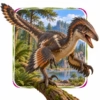
10 Fun Sinornithosaurus Facts for Kids
1. Sinornithosaurus Was a Dinosaur
Sinornithosaurus was a feathered theropod dinosaur in the dromaeosaurid raptor family.
Kid Decode: Raptor dinosaur, feather coat, tiny trouble machine.
2. Its Name Means Chinese Bird-Lizard
Sinornithosaurus means Chinese bird-lizard, a nod to its bird-like features and Chinese fossils.
Kid Decode: That name sits right on the dinosaur-bird bridge.
3. It Lived in Liaoning
Fossils come from the Yixian Formation of Liaoning Province in northeastern China.
Kid Decode: Liaoning fossil beds preserved feathers like nature’s pressed flower book, but toothier.
4. It Was Small
The holotype was about 1.2 metres long, making Sinornithosaurus one of the smaller dromaeosaurids.
Kid Decode: Small dinosaur, sharp claws, big scientific footprint.
5. It Had Feathers
The original Nature description reported filamentous integument, or feather-like body covering, on Sinornithosaurus.
Kid Decode: This raptor came with fuzz and feather structure, not plain lizard skin.
6. It Had Sickle Claws
Like other dromaeosaurids, Sinornithosaurus had curved sickle claws on the second toes.
Kid Decode: Those toe claws were tiny folding hooks of Cretaceous drama.
7. Its Colors Were Studied
Melanosome research has suggested Sinornithosaurus had black and reddish-brown or rufous feather colors.
Kid Decode: Fossil color clues turned this raptor into a tiny ancient fashion file.
8. The Venom Idea Is Debated
A 2009 paper proposed a venomous bite, but later research challenged the interpretation, so kids should treat it as debated.
Kid Decode: Venomous raptor? Maybe not. Science put that idea under a bright microscope.
9. Baby Sinornithosaurs Were Hatchlings
Sinornithosaurus dinosaurs hatched from eggs, so babies can be called hatchlings.
Kid Decode: A hatchling Sinornithosaurus was a little feathered raptor seedling.
10. It Helps Explain Bird Evolution
Sinornithosaurus shows that feathered, bird-like bodies existed among dromaeosaurids early in the Cretaceous.
Kid Decode: Bird history is full of small feathered dinosaurs making the plot richer.
The Weirdest Sinornithosaurus Fact
Sinornithosaurus was a feathered raptor whose possible venomous bite became a famous dinosaur debate.
Try This Sinornithosaurus Activity
Sinornithosaurus Drawing Activity
Draw Sinornithosaurus in an Early Cretaceous Liaoning forest. Add feathered body covering, sickle claws, long tail, black and rufous color patches, hatchling egg clue, small prey, Yixian fossil tag, and a “Chinese bird-lizard” label.
Quick Sinornithosaurus Quiz
- Was Sinornithosaurus a modern bird? Answer: No, it was a feathered dromaeosaurid dinosaur.
- Where was Sinornithosaurus found? Answer: Liaoning Province, China.
- What formation preserved its fossils? Answer: The Yixian Formation.
- Did scientists agree it was venomous? Answer: No, the venom idea was proposed but later challenged.
- What did Sinornithosaurus eat? Answer: Small animals such as birds, mammals, lizards, and insects.
Mini Glossary
- Dromaeosaurid: A raptor dinosaur family with feathers, sharp teeth, and sickle claws.
- Integument: Body covering such as skin, scales, feathers, or filaments.
- Melanosome: A tiny pigment structure that can help scientists infer fossil colors.
- Hatchling: A baby animal newly hatched from an egg.
- Yixian Formation: An Early Cretaceous rock formation in China famous for feathered dinosaur fossils.
 Monkey Facts for Kids
 Leopard Gecko Facts for Kids
 Clownfish Facts for Kids
 Wake Island Rail Facts for Kids
More Animal Facts for Kids
Visit the full animal facts library or explore a focused animal group.
More Extinct Animal Facts for Kids
Discover dinosaurs, Ice Age giants, prehistoric sea creatures, recently extinct species, and other animals from the past.
Fact check note: Fact checked with the original Nature Sinornithosaurus feather description, Yixian Formation summaries, melanosome color research summaries, and notes on the debated venom hypothesis.

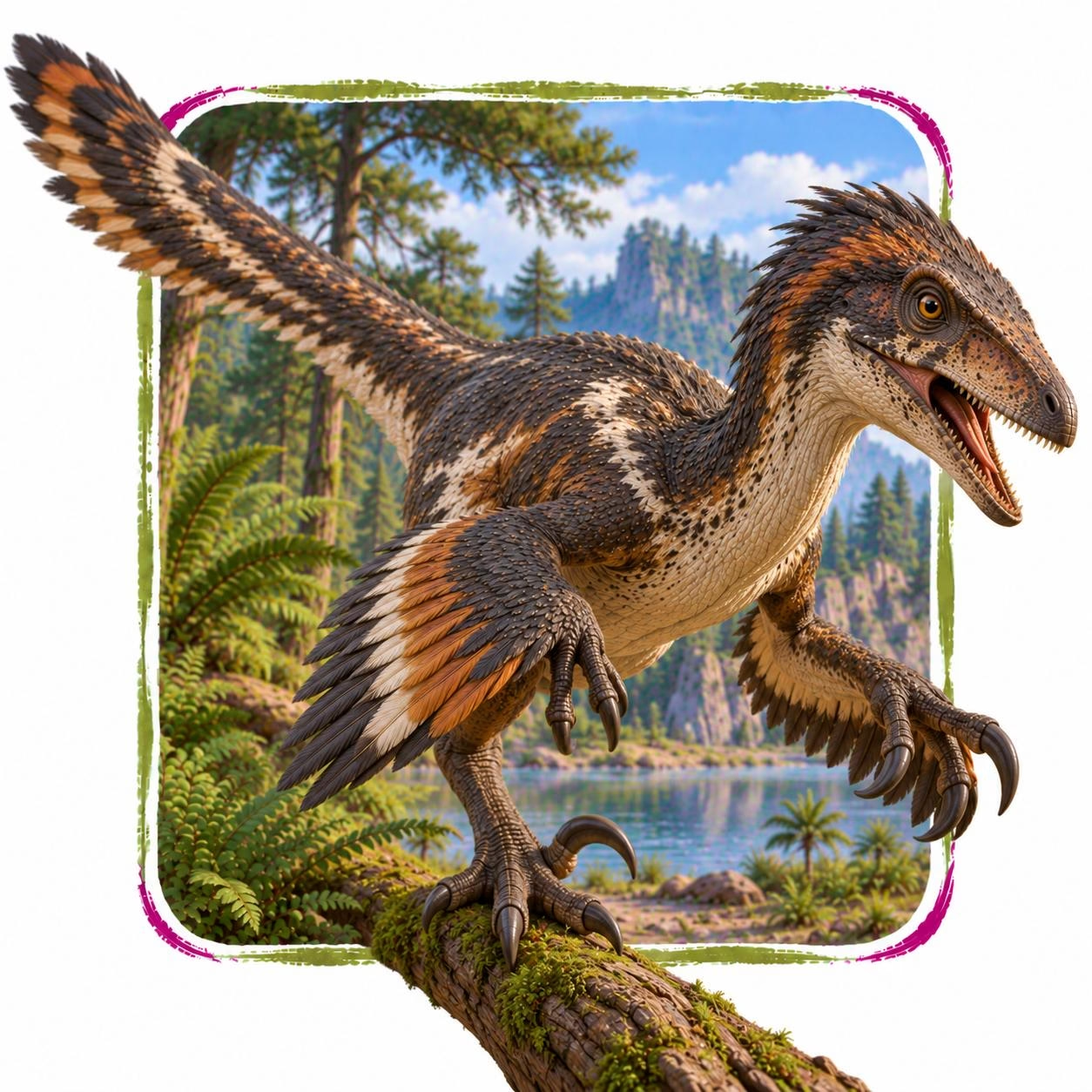
Sinornithosaurus in its natural Early Cretaceous Liaoning forests, Yixian Formation lake margins, Sihetun fossil beds, volcanic ash deposits, tree-rich wetlands, small prey habitats, Jehol Biota ecosystems, and feathered raptor environments habitat