A to Z Emotions List for Kids
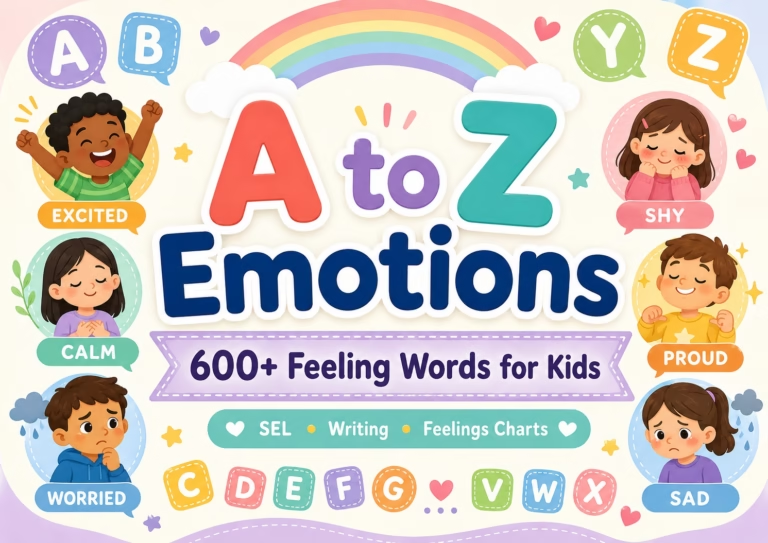
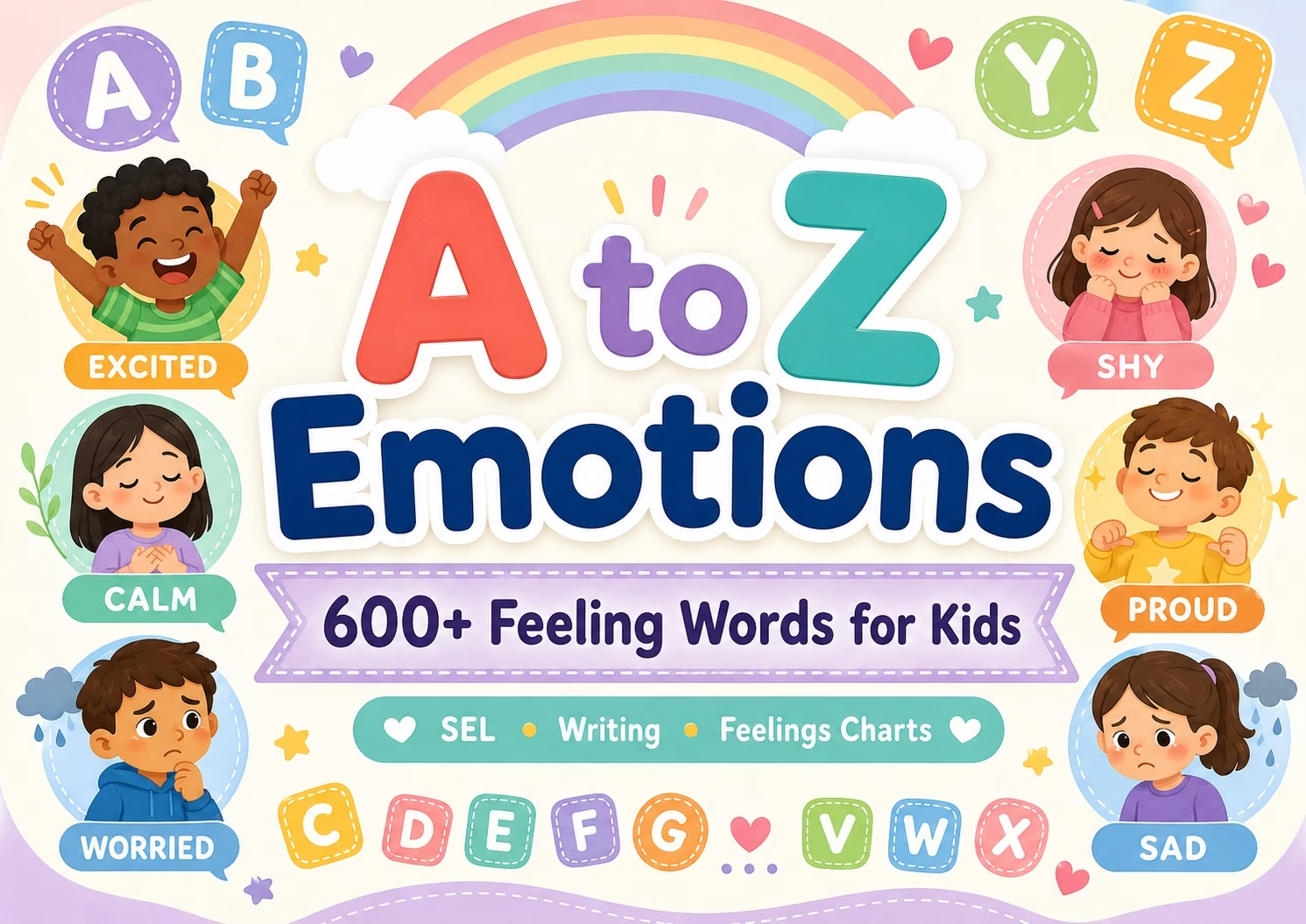
Looking for a big, kid-friendly A to Z emotions list? This guide helps kids, parents, teachers, homeschoolers, and young writers explore emotion words from A to Z.
Use it for SEL lessons, feelings charts, journal prompts, classroom vocabulary, story ideas, writing practice, character traits, and “what am I feeling?” conversations.
“`How to Use This A to Z Emotions List
This page gives you a quick preview of emotions that start with each letter. Each letter button leads to a bigger page with more feeling words, meanings, and examples.
The full emotion word collection includes 600+ feelings across the A to Z pages. That makes it useful for searches like emotion words A to Z, feelings list for kids, emotions vocabulary, feeling words for writing, SEL vocabulary, and feelings chart words.
Quick activity: ask kids to choose one feeling word, then finish this sentence: I felt ___ when ___.
- Pick one happy feeling and one worried feeling.
- Choose a feeling a story character might have.
- Draw a face that matches the feeling word.
- Write one helpful thing someone can do when they feel that way.
Search Emotion Words and Feeling Families
Use the search box to find a feeling word in the preview list. You can also filter by broad emotion family. The full letter pages can hold 20+ emotion words per letter, so this page works as the friendly front door.
Showing all A to Z emotion previews.
“`Emotion Stories, Writing Prompts, and Creative Learning
✨ Turn a Feeling Into a Story
Choose a word like brave, nervous, jealous, proud, calm, or hopeful. Then make a story where a character learns what that feeling means through a gentle adventure.
Open Story Generator🧒 Make It Personal
For child-centered stories, use the personalized story generator. Add the child’s role, favorite thing, story goal, mood, message, and lesson focus to make the feeling more meaningful.
Create a Personalized Story📝 Classroom and Homeschool Ideas
Use this emotion words list for journal prompts, character feelings, feelings charts, SEL vocabulary, spelling practice, drama games, and “guess the emotion” activities.
Start With A to ZJump to a letter:
A to Z Emotions List: Feeling Words for Every Letter
A – Amazing A Emotions
Emotions that start with A include warm feelings, worried feelings, surprised feelings, and big angry feelings. Affection means a warm liking or care for someone, while Alarm means suddenly feeling scared or warned. Amazement and Amusement are lighter, brighter feelings, while Anger, Agitation, and Anguish are heavier feelings kids may need help naming.
B – Brave B Emotions
The emotions that start with B list is useful for courage, friendship, and classroom feelings. Bravery means doing something even when it feels hard or scary. Bliss is a very happy, peaceful feeling. Boredom happens when something feels dull, while Bewilderment means feeling confused. Bashfulness and Belonging are social feelings kids may notice around friends or groups.
C – Caring C Emotions
Emotions that start with C are excellent for SEL lessons because they include peaceful, kind, and mixed-up feelings. Calm means feeling steady inside. Caring and Compassion help kids talk about kindness. Cheerfulness and Contentment are happy feelings, while Confusion means the brain needs more clues. Contempt is a strong dislike and should be explained gently.
D – Deep D Emotions
The emotions that start with D section includes happy sparks and heavy clouds. Delight is a bright happy feeling. Disappointment happens when something does not go the way you hoped. Disgust is a strong “yuck” feeling, while Discomfort means something feels not quite right. Doubt, Dread, and Determination are useful words for stories and character feelings.
E – Exciting E Emotions
Emotions that start with E include some of the best words for writing prompts. Excitement is a bouncy happy feeling. Eagerness means you are ready and interested. Embarrassment can make someone want to hide for a moment. Empathy means understanding how someone else may feel. Envy happens when someone has something you wish you had.
F – Full-Feeling F Emotions
The emotions that start with F list has strong contrast. Fear is the feeling that something may be unsafe. Frustration happens when something feels blocked or too hard. Fury is very big anger. On the softer side, Fondness means warm liking, Freedom can feel light and open, and Fulfillment means feeling satisfied after doing something meaningful.
G – Gentle G Emotions
Emotions that start with G work well for gratitude activities and story characters. Gratitude means feeling thankful. Gladness, Glee, and Gratification are happy feelings with different strengths. Guilt can appear after doing something wrong, while Grief and Gloom are sadder feelings that need gentle language.
H – Heartfelt H Emotions
The emotions that start with H list includes big story words. Happiness and Hope are bright feelings. Horror means very strong fear. Helplessness means feeling like you do not know what to do next. Humiliation is a painful embarrassed feeling, while Homesickness means missing home or familiar people.
I – Important I Emotions
Emotions that start with I are useful for school, friendships, and self-awareness. Interest means something catches your attention. Inspiration makes you want to create or try. Irritation is small anger. Insecurity means not feeling sure about yourself. Isolation means feeling alone, while Inclusion means feeling welcomed into a group.
J – Joyful J Emotions
The emotions that start with J section gives kids great words for happy feelings and friendship feelings. Joy is deep happiness. Jubilation is huge celebration happiness. Joviality means cheerful friendliness. Jealousy happens when someone wants what another person has. Jitters and Jumpiness describe nervous energy.
K – Kind K Emotions
Emotions that start with K are trickier, so this letter can include real words plus kid-friendly feeling phrases. Kindness is a caring feeling shown through actions. Kinship means feeling connected to someone. Keenness means strong interest or eagerness. A knot-in-the-stomach feeling is a kid-friendly way to describe nervousness.
L – Loving L Emotions
The emotions that start with L list is great for family, friendship, and story writing. Love is a deep caring feeling. Loneliness means feeling alone or disconnected. Longing means wanting something strongly. Loss can bring sadness. Liveliness and Lightheartedness are brighter feelings, while Loathing is a very strong dislike.
M – Many-Mood M Emotions
Emotions that start with M include heavy, helpful, and cheerful feelings. Misery and Melancholy are sad feelings. Motivation is the push to do something. Mortification means deep embarrassment. Mercy connects to kindness when someone chooses to be gentle. Mirth is cheerful laughter, and Mindfulness means paying calm attention to the present.
N – Nervous N Emotions
The emotions that start with N group is helpful for naming quiet feelings. Nervousness means worried energy before something happens. Nostalgia means missing a happy time from the past. Neediness means wanting extra help, closeness, or attention. Numbness means feeling almost nothing for a while. Nurturing is a caring, protective feeling.
O – Open O Emotions
Emotions that start with O include bright hope and big pressure. Optimism means expecting good things or believing something can improve. Overwhelm means there is too much to handle at once. Outrage is very strong anger about something unfair. Offense means feeling hurt or insulted. Obligation can feel like pressure to do something.
P – Powerful P Emotions
The emotions that start with P list is stacked with useful feeling words. Pride means feeling good about something you did. Peace means calm inside. Panic is a burst of strong fear. Pain can be physical or emotional. Patience is the calm strength to wait, while Playfulness brings fun energy into learning and stories.
Q – Quiet Q Emotions
Emotions that start with Q are rare, so this letter works best with a mix of feeling words and feeling descriptions. Quietness can mean feeling calm or withdrawn. Quirkiness is a playful, unusual mood. Queasiness can happen with worry or nervousness. Quivering describes shaky fear or excitement. Quick-temperedness means anger rises quickly.
R – Real R Emotions
The emotions that start with R section is excellent for character arcs. Relief means a worry has lifted. Regret means wishing you had made a different choice. Remorse is regret mixed with care about what happened. Resentment is leftover anger. Rejection means feeling pushed away, while Reassurance helps someone feel safer.
S – Soft and Strong S Emotions
Emotions that start with S include many words kids already hear, plus richer vocabulary for writing. Sadness means feeling unhappy or low. Satisfaction means feeling pleased after something is done. Serenity means deep calm. Shame is a painful feeling about yourself and should be handled kindly. Shock is sudden surprise, and Shyness is quiet nervousness around people.
T – Thoughtful T Emotions
The emotions that start with T list is great for friendship and body clues. Trust means feeling safe with someone. Tenderness is gentle care. Tension means tight, uneasy energy. Terror is very strong fear. Tranquility means peaceful calm. Toughness can describe emotional strength when something is difficult.
U – Useful U Emotions
Emotions that start with U help kids name feelings that are hard to explain. Uncertainty means not knowing what will happen. Unease is a quiet worried feeling. Understanding can feel warm when someone finally gets what you mean. Urgency means something feels important right now. Upliftment means feeling raised or encouraged.
V – Vivid V Emotions
The emotions that start with V list is full of strong words. Vulnerability means feeling open or sensitive. Vigor and Vibrancy are energetic feelings. Vexation means irritation or annoyance. Vindication means feeling proven right after doubt. Validation means feeling heard, understood, or accepted.
W – Warm W Emotions
Emotions that start with W are useful for both cozy feelings and worried feelings. Worry means thinking something bad might happen. Wonder is a curious, amazed feeling. Warmth can mean friendliness or affection. Weariness means tiredness. Welcomeness means feeling accepted, while Withdrawal means pulling away from people or activity.
X – Xtra Rare X Emotions
Emotions that start with X are rare, so this letter can use careful advanced words and kid-friendly X phrases. X-citement is a playful way to write excitement for alphabet activities. Xenial warmth connects to friendly hospitality. Xenodochial kindness means being friendly to strangers or guests. X-factor thrill means a special spark of excitement.
Y – Yearning Y Emotions
The emotions that start with Y section can include real feeling words and playful kid-friendly phrases. Yearning means wanting something deeply. Youthfulness feels bright, playful, and energetic. Yielding can mean softening or giving in. Yuckiness describes disgust. Yen is another word for a strong wish or longing. Yin peace can describe quiet calm.
Z – Zesty Z Emotions
Emotions that start with Z finish the alphabet with energy, calm, and sleepy feelings. Zeal means strong excited interest. Zest is lively enjoyment. Zany is a silly, playful mood. Zen means calm and peaceful. Zonked means very tired. Zippy means energetic, while Zipped-up excitement describes excitement held inside.
Emotion Families for Kids
Some emotion words are cousins. Grouping feelings into families helps kids move beyond “happy,” “sad,” “mad,” and “scared” into more exact words.
😊 Happy Feelings
Joy, delight, cheerfulness, glee, amusement, pride, gratitude, satisfaction, hope, and excitement.
😔 Sad Feelings
Sadness, sorrow, grief, loneliness, disappointment, gloom, loss, melancholy, hurt, and unhappiness.
😡 Angry Feelings
Anger, irritation, frustration, rage, fury, resentment, outrage, vexation, bitterness, and hostility.
😟 Worried Feelings
Fear, nervousness, anxiety, unease, alarm, panic, dread, uncertainty, jitters, and insecurity.
😌 Calm Feelings
Calm, peace, serenity, tranquility, contentment, quietness, relief, patience, mindfulness, and zen.
Emotion Intensity Ladders
One feeling can have tiny, medium, and big versions. These ladders help kids choose more exact emotion words instead of using one word for everything.
Angry Ladder
- Irritated
- Annoyed
- Frustrated
- Angry
- Furious
Worried Ladder
- Unsure
- Nervous
- Worried
- Afraid
- Panicked
Happy Ladder
- Pleased
- Happy
- Joyful
- Excited
- Ecstatic
Calm Ladder
- Okay
- Settled
- Calm
- Peaceful
- Serene
Fun Ways to Teach Emotion Words
🎭 Emotion Charades
Pick a feeling word and act it out without speaking. Other kids guess the emotion and explain what clue helped them.
📚 Character Feelings
After reading a story, choose one character and list three feelings they may have had at different parts of the story.
🎨 Draw the Feeling
Choose an emotion word, draw a face or weather cloud for it, then write one sentence about when someone might feel that way.
🧠 Feeling Detective
Look for body clues. A tight tummy, quiet voice, smile, crossed arms, or fast talking can all give hints about feelings.
✍️ Journal Starter
Use this sentence: “Today I felt ___ when ___, and one thing that helped was ___.”
✨ Story Prompt
Pick one emotion and write a story where the main character starts with that feeling and ends with a new understanding.
Frequently Asked Questions About Emotion Words
What is an A to Z emotions list?
An A to Z emotions list is a collection of feeling words organized by alphabet letter. It helps kids and adults quickly find words for different feelings, moods, and social situations.
Does this guide include 600+ emotion words?
Yes. This main page previews emotion words for each letter. The full library can include 20+ emotions per letter, creating a larger collection of 600+ emotions and feeling words.
Is this emotions list made for kids?
Yes. The examples are written in simple language so kids can understand the words. Some advanced words are included too, especially for older students, writing practice, and vocabulary growth.
How can teachers use this emotions list?
Teachers can use it for SEL lessons, classroom feelings charts, writing prompts, character analysis, morning meetings, journaling, drama games, and vocabulary activities.
How can parents use this feelings list at home?
Parents can use the list during everyday conversations. Instead of asking only “Are you sad?” they can offer more exact words like disappointed, lonely, worried, embarrassed, frustrated, calm, proud, or hopeful.
Are all emotion words simple?
No. Some emotion words are easy, like happy, sad, angry, and scared. Others are more advanced, like resentment, vulnerability, melancholy, exhilaration, or vindication. A good emotions library can include both.
Can kids use these emotion words in stories?
Yes. Emotion words make stories stronger. Kids can choose a word like jealous, brave, nervous, joyful, peaceful, or proud, then create a story where a character learns something through that feeling.
Which story generator should I use for emotion stories?
For a quick story, try the AI Story Generator for Kids. For a story centered around a specific child, try the Personalized Story Generator for Kids.
Keep Exploring Feelings, Words, and Stories
This A to Z emotions list is built as a friendly feelings library for kids, teachers, parents, homeschoolers, and young writers. Use it when you need a better word than happy, sad, mad, or scared.
For a creative twist, ask kids to choose one emotion from the list and turn it into a character. What would Nervousness carry in its backpack? What color would Joy paint the sky? What would Courage do when the bridge starts wobbling? Tiny story sparks, ready to hatch. 🐣