
Bearded Dragon Facts for Kids
Bearded dragons are spiky-looking lizards from Australia. They are famous for puffing out a throat pouch that looks like a beard, basking in warm sunlight, and using body signals such as head bobbing and arm waving.
Quick Bearded Dragon Facts
- Animal Type: Reptile
- Group: Lizard and agamid dragon
- Known For: Spiky beard, throat puffing, basking, head bobbing, arm waving, eggs, hatchlings, and calm ground-lizard behavior
- Habitat: Deserts, dry woodlands, scrublands, rocky areas, savannas, open forests, and warm inland habitats of Australia depending on species
- Diet: Insects, crickets, roaches, beetles, worms, leafy greens, flowers, fruit bits, and other small foods depending on age and season
What You’ll Learn
Explore 10 amazing crested gecko facts for kids about eyelash-like crests, sticky toes, climbing, tails, and rainforest life, with a quiz, glossary, and activity
These facts are explained simply for kids, parents, teachers, and curious little fact-finders.
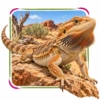
10 Fun Bearded Dragon Facts for Kids
1. Bearded Dragons Are Reptiles
Bearded dragons are reptiles, so they have scales, breathe air, and depend on outside warmth.
Kid Decode: A bearded dragon is a sun-loving lizard with a spiky little throat cape.
2. They Are Lizards
Bearded dragons belong to the lizard group and have legs, eyelids, claws, scales, and long tails.
Kid Decode: They are proper lizards, not tiny dragons with fire permits.
3. Baby Bearded Dragons Are Hatchlings
Baby bearded dragons are called hatchlings after they come out of eggs.
Kid Decode: A hatchling beardie is a tiny desert sprinter with big curiosity.
4. They Lay Eggs
Female bearded dragons lay eggs in warm sandy or hidden places.
Kid Decode: The eggs rest like little reptile pebbles in a cozy underground nursery.
5. They Have Spiky Beards
The “beard” is a spiky throat area that can puff up and darken during displays.
Kid Decode: That beard is more mood billboard than fashion choice.
6. They Bask to Warm Up
Bearded dragons bask in sunlight or warmth to raise body temperature.
Kid Decode: A warm rock is basically their breakfast table, charger, and sofa.
7. They Use Body Signals
Bearded dragons may head bob, arm wave, flatten the body, or puff the beard to communicate.
Kid Decode: Their body language has more drama than a tiny lizard telegram.
8. They Are Omnivores
Bearded dragons eat both animal foods and plant foods.
Kid Decode: Young ones often chase more bugs, while adults enjoy plenty of greens.
9. They Can Run on Strong Legs
Bearded dragons move quickly on land when they need to escape or chase food.
Kid Decode: The calm basking lizard can suddenly switch to desert dash mode.
10. They Need Wild Habitat Protection
Wild bearded dragons need safe dry habitats, insects, plants, hiding places, and warm basking areas.
Kid Decode: Protecting sunny wild places keeps the spiky baskers where they belong.
The Weirdest Bearded Dragon Fact
A bearded dragon can puff out and darken its throat beard, turning its neck into a lizard warning sign.
Try This Bearded Dragon Activity
Bearded Dragon Drawing Activity
Draw a bearded dragon basking on a warm Australian rock. Add spiky beard, throat puff display, head-bobbing motion lines, arm wave, eggs in sand, hatchlings, crickets, leafy greens, desert shrubs, sun rays, and a hiding burrow.
Quick Bearded Dragon Quiz
- What animal group are bearded dragons in? Answer: Reptiles.
- What are baby bearded dragons called? Answer: Hatchlings.
- What body part gives the bearded dragon its name? Answer: Its spiky throat beard.
- Why do bearded dragons bask? Answer: To warm their bodies.
- What kind of diet includes both plants and animals? Answer: Omnivore.
Mini Glossary
- Reptile: An animal group with scales that breathes air and often lays eggs.
- Hatchling: A newly hatched baby animal.
- Omnivore: An animal that eats both plant-based foods and animal-based foods.
- Basking: Sitting in warmth or sunlight to raise body temperature.
- Display: A behavior animals use to communicate, warn, court, or defend space.
 Panda Facts for Kids
 Bongo Facts for Kids
 Shrimp Facts for Kids
 Andrewsarchus Facts for Kids
More Animal Facts for Kids
Visit the full animal facts library or explore a focused animal group.
More Extinct Animal Facts for Kids
Discover dinosaurs, Ice Age giants, prehistoric sea creatures, recently extinct species, and other animals from the past.
Fact check note: Fact checked with Reid Park Zoo bearded dragon resources, Australian reptile education references, and trusted lizard biology sources.

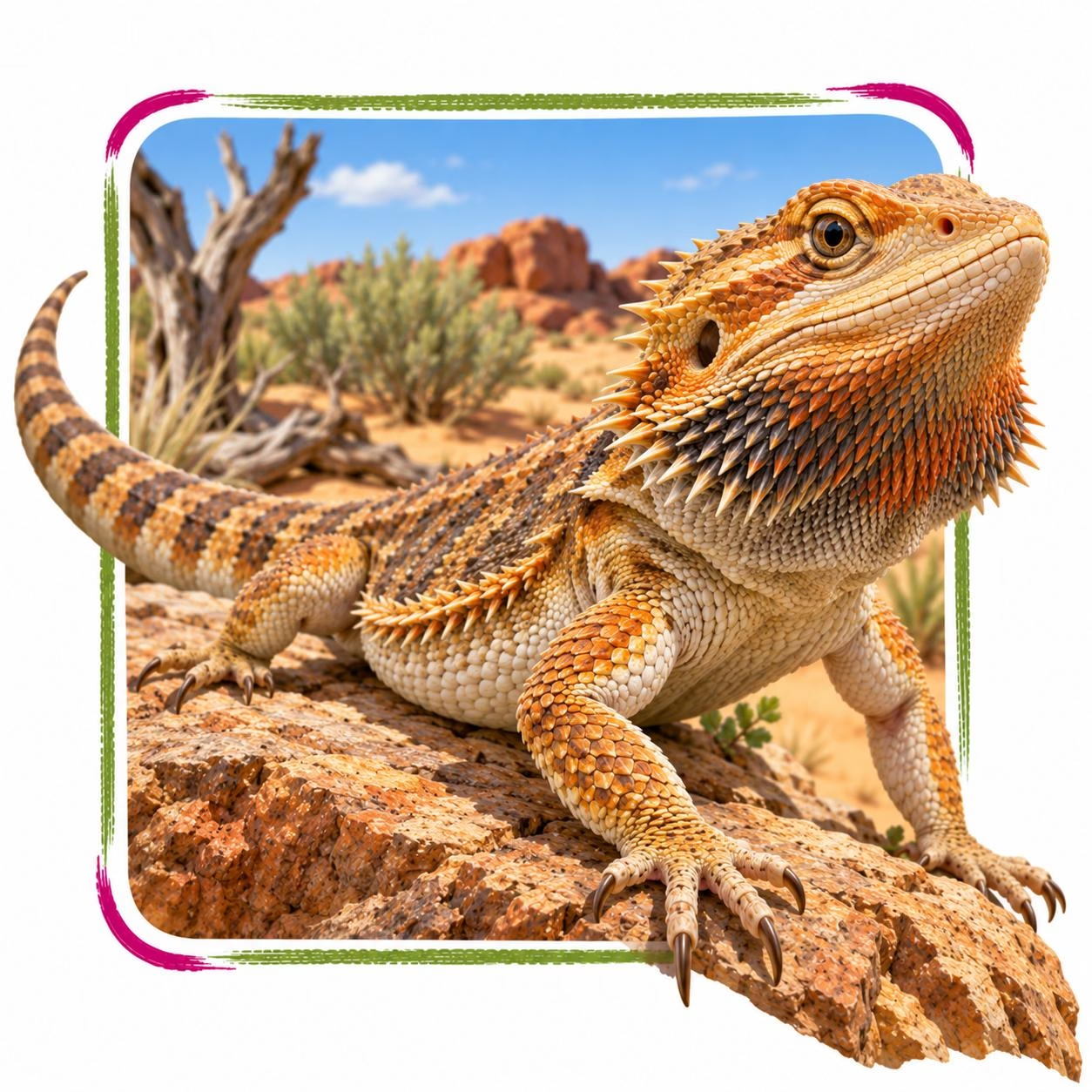
Bearded Dragon in its natural Deserts habitat