
Hare Facts for Kids
Hares are fast-running mammals related to rabbits. They usually live in open habitats such as grasslands and fields, where they rely on powerful legs, keen senses, and camouflage to stay safe from predators.
Quick Hare Facts
- Animal Type: Mammal
- Group: Hare and lagomorph
- Known For: Long ears, speed, and powerful legs
- Habitat: Grasslands, meadows, fields, prairies, tundra, deserts, and open countryside depending on species
- Diet: Grasses, herbs, leaves, bark, shoots, flowers, and other plant foods
What You’ll Learn
Discover 10 speedy hare facts for kids about long legs, giant ears, running, leverets, and open-country life, plus a quiz, glossary, and activity
Clear explanations make them ideal for children, families, teachers, and little fact-hunters.

10 Fun Hare Facts for Kids
1. Hares Are Mammals
Hares are furry mammals that feed milk to their young.
Kid Decode: A hare is a speedy grassland athlete with giant ears.
2. Hares Are Related to Rabbits
Hares and rabbits belong to a group called lagomorphs, but they are different animals.
Kid Decode: A hare is not just a rabbit with longer legs.
3. Hares Have Long Ears
Long ears help hares detect sounds from far away.
Kid Decode: Their ears work like nature’s satellite dishes.
4. Hares Run Very Fast
Hares use strong back legs to sprint across open ground.
Kid Decode: A running hare can turn a field into a racetrack.
5. Baby Hares Are Called Leverets
Baby hares are called leverets and are born with fur and open eyes.
Kid Decode: A leveret arrives ready for adventure.
6. Hares Use Camouflage
Hare fur often blends with the environment to help them stay hidden.
Kid Decode: A resting hare can disappear into the landscape.
7. Hares Live Above Ground
Many hares rest in shallow depressions called forms instead of deep burrows.
Kid Decode: Their bed is often a simple grassy hideout.
8. Hares Eat Plants
Hares are herbivores that feed on grasses, leaves, and other plants.
Kid Decode: Their menu is packed with meadow greens.
9. Hares Have Strong Back Legs
Powerful hind legs help hares jump and run away from danger.
Kid Decode: Their legs are spring-loaded escape machines.
10. Hares Need Healthy Grasslands
Hares depend on safe open habitats with plenty of food and shelter.
Kid Decode: Protecting grasslands helps hares thrive.
The Weirdest Hare Fact
A leveret is born furry and alert, unlike many baby mammals that arrive helpless.
Try This Hare Activity
Hare Drawing Activity
Draw a hare running across a meadow. Add long ears, strong back legs, grasses, flowers, a leveret, clouds, and a wide grassland background.
Quick Hare Quiz
- What animal group are hares in? Answer: Mammals.
- What are baby hares called? Answer: Leverets.
- What do hares mostly eat? Answer: Plants.
- What helps hares hear danger? Answer: Their long ears.
- Where do many hares rest? Answer: In shallow forms on the ground.
Mini Glossary
- Mammal: An animal with fur that feeds milk to its young.
- Lagomorph: The animal group that includes hares, rabbits, and pikas.
- Leveret: A baby hare.
- Camouflage: Colors or patterns that help an animal blend in.
- Herbivore: An animal that eats mostly plants.


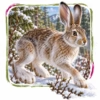
 Butterflyfish Facts for Kids
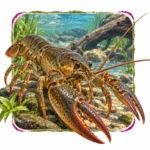 Crayfish Facts for Kids
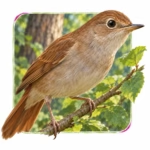 Nightingale Facts for Kids
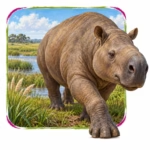 Toxodon Facts for Kids
More Animal Facts for Kids
Visit the full animal facts library or explore a focused animal group.
More Extinct Animal Facts for Kids
Discover dinosaurs, Ice Age giants, prehistoric sea creatures, recently extinct species, and other animals from the past.
Fact check note: Fact checked with Britannica hare resources, Britannica lagomorph resources, and trusted wildlife education references.

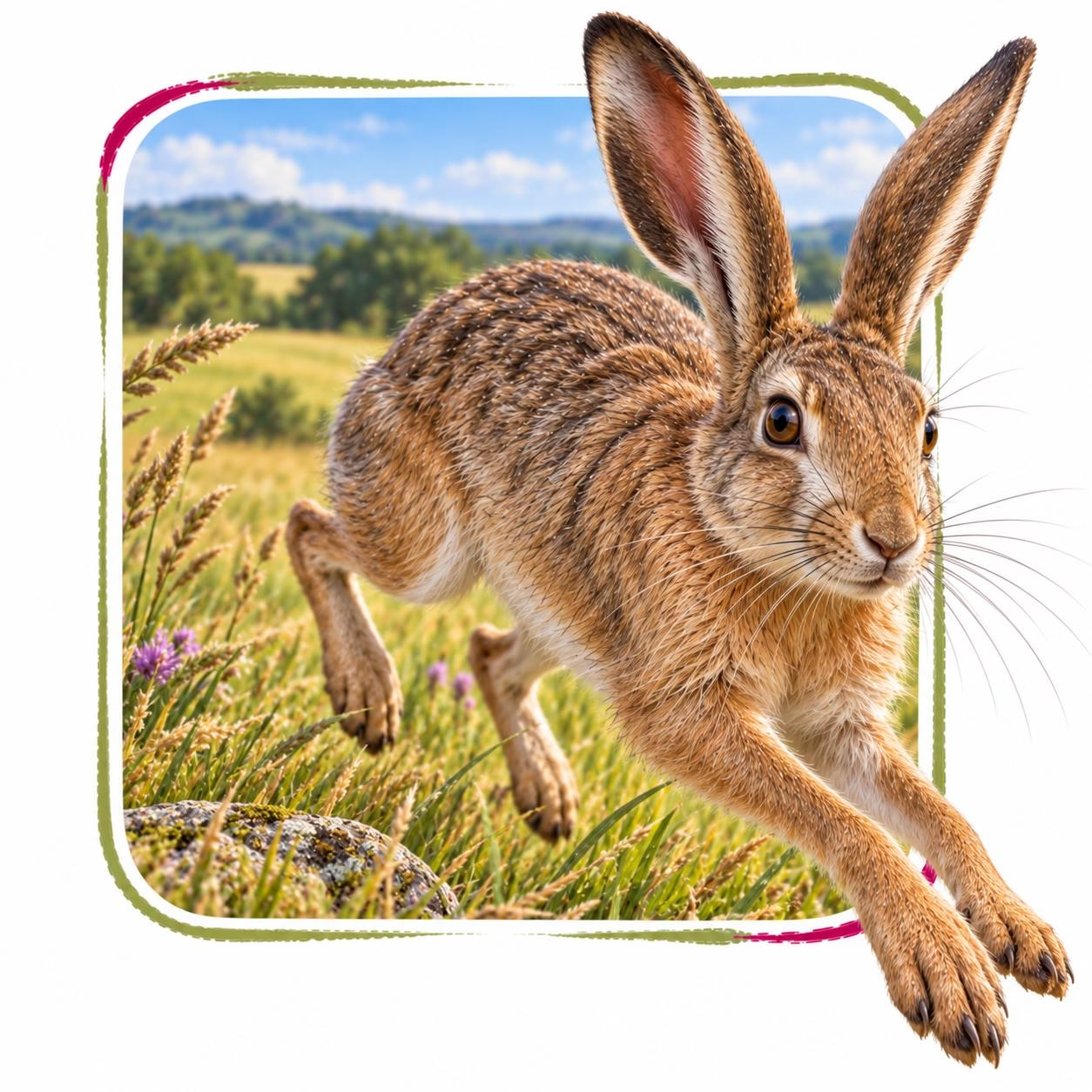
Hare in its natural Grasslands habitat