
Concavenator Facts for Kids
Concavenator was a meat-eating dinosaur from Early Cretaceous Spain. It was not T. rex, but it belonged near the shark-toothed carcharodontosaurian dinosaurs. Concavenator is famous for two very tall backbone spines in front of its hips, creating a strange hump or ridge, plus debated bumps on its arm bone that some scientists linked to feather-like structures.
Quick Concavenator Facts
- Animal Type: Theropod dinosaur
- Group: Carcharodontosaurian theropod
- Known For: Cuenca hunter name, Las Hoyas fossil site, strange back hump, sharp teeth, possible arm bumps, hatchlings, scale impressions, and Early Cretaceous Spain
- Lived During: Early Cretaceous, about 125 million years ago
- Diet: Meat from small dinosaurs, reptiles, fish, and carrion
What You’ll Learn
Discover 10 unusual concavenator facts for kids about its strange back hump, sharp teeth, strong legs, hunting, and Cretaceous Spain, with a quiz, glossary, and activity
These facts are explained simply for kids, parents, teachers, and curious little fact-finders.
10 Fun Concavenator Facts for Kids
1. Concavenator Was a Dinosaur
Concavenator was a theropod dinosaur, meaning it walked on two legs and ate meat.
Kid Decode: Two legs, sharp teeth, predator membership approved.
2. Its Name Means Cuenca Hunter
Concavenator means Cuenca hunter, named after the Spanish province where its fossil was found.
Kid Decode: A dinosaur with a local address written right into its name.
3. It Lived in Spain
The nearly complete fossil came from the Las Hoyas site in the La Huérguina Formation of central Spain.
Kid Decode: Ancient Spain preserved this hunter like a limestone time capsule.
4. It Had a Back Hump
Two tall neural spines near the hips formed a hump-like or ridge-like structure on its back.
Kid Decode: That dinosaur silhouette had one very strange skyline.
5. The Hump’s Job Is Debated
Scientists have suggested display, fat storage, or muscle support, but the exact purpose is still uncertain.
Kid Decode: The hump is a fossil question mark with excellent posture.
6. It Was a Carcharodontosaurian
Concavenator belonged near the carcharodontosaurians, the group famous for sharp blade-like teeth.
Kid Decode: Shark-toothed relatives, Spanish edition.
7. Its Arm Bumps Are Controversial
The original study described bumps on the ulna as possible quill-knob-like structures, but other scientists have questioned that interpretation.
Kid Decode: Feather clue or muscle mark? The arm bone refuses to be boring.
8. It Preserved Scale Impressions
The fossil also preserved scale impressions on parts of the body, including the feet and tail.
Kid Decode: This dinosaur left skin fashion notes as well as bones.
9. Baby Concavenators Were Hatchlings
Concavenator dinosaurs hatched from eggs, so babies can be called hatchlings.
Kid Decode: A hatchling Concavenator had a future of teeth, speed, and one peculiar back ridge.
10. It Was a Medium-Sized Predator
Concavenator was large enough to be a serious predator but smaller than giant carcharodontosaurids such as Giganotosaurus.
Kid Decode: Not the biggest shark-toothed hunter, but still not something to meet in the ferns.
The Weirdest Concavenator Fact
Concavenator may have had a back hump and possibly feather-like arm structures, making it one of the strangest theropods from Europe.
Try This Concavenator Activity
Concavenator Drawing Activity
Draw Concavenator in Early Cretaceous Spain. Add a strange back hump, sharp teeth, two strong legs, possible arm bumps, scale impressions, hatchling egg clue, Las Hoyas fossil tag, fish or small reptile prey, and a “Cuenca hunter” label.
Quick Concavenator Quiz
- Was Concavenator a dinosaur? Answer: Yes, it was a theropod dinosaur.
- What does Concavenator mean? Answer: Cuenca hunter.
- Where was Concavenator found? Answer: Las Hoyas in Spain.
- What was unusual about its back? Answer: Two tall spines formed a hump or ridge.
- What did Concavenator eat? Answer: Meat from small animals and carrion.
Mini Glossary
- Theropod: A mostly meat-eating dinosaur group that walked on two legs.
- Carcharodontosaurian: A sharp-toothed theropod group related to giant predators such as Carcharodontosaurus.
- Neural Spine: A tall part of a backbone that can support muscles, ligaments, or display structures.
- Ulna: One of the bones in the forearm.
- Hatchling: A baby animal newly hatched from an egg.
 Lobster Facts for Kids
 Elephant Facts for Kids
 Chamois Facts for Kids
 Pelorovis Facts for Kids
More Animal Facts for Kids
Visit the full animal facts library or explore a focused animal group.
More Extinct Animal Facts for Kids
Discover dinosaurs, Ice Age giants, prehistoric sea creatures, recently extinct species, and other animals from the past.
Fact check note: Fact checked with Ortega et al. 2010 Concavenator description, PubMed summary, Las Hoyas fossil site references, and Smithsonian discussion of disputed arm bumps.

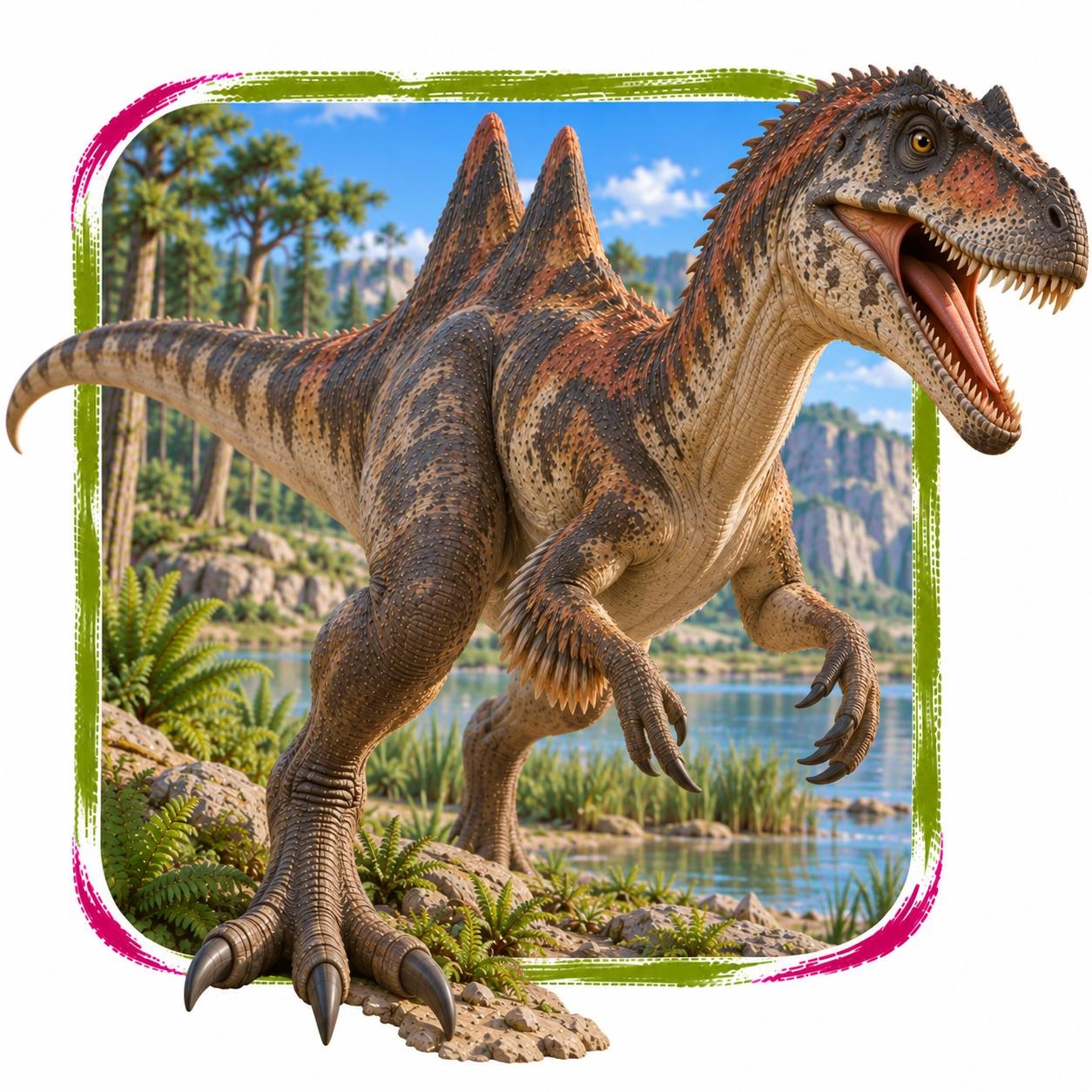
Concavenator in its natural Early Cretaceous Spanish wetlands, Las Hoyas lake environments, La Huérguina Formation habitats, freshwater margins, forested floodplains, limestone fossil beds, small prey habitats, and European predator ecosystems habitat