
Pachyrhinosaurus Facts for Kids
Pachyrhinosaurus was a thick-nosed horned dinosaur from Late Cretaceous North America. It was not Triceratops, and instead of a long nose horn it had a large bony boss on its snout, with smaller bosses above the eyes. Fossils from Alberta and Alaska show a bulky plant eater that may have traveled in herds.
Quick Pachyrhinosaurus Facts
- Animal Type: Horned dinosaur
- Group: Centrosaurine ceratopsid
- Known For: Thick-nosed lizard name, nasal boss instead of nose horn, Alberta and Alaska fossils, frill ornaments, herds, hatchlings, coastal plains, and plant diet
- Lived During: Late Cretaceous, about 74 to 68 million years ago
- Diet: Ferns, flowering plants, conifers, cycads, shrubs, and tough low vegetation
What You’ll Learn
Learn 10 powerful pachyrhinosaurus facts for kids about its thick nose boss, large frill, herd life, plant diet, and Cretaceous habitats, with a quiz, glossary, and activity
These simple facts are written for kids, parents, teachers, and curious young minds.
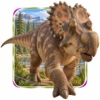
10 Fun Pachyrhinosaurus Facts for Kids
1. Pachyrhinosaurus Was a Dinosaur
Pachyrhinosaurus was a ceratopsian dinosaur, the beaked horned-face group that includes Triceratops and Centrosaurus.
Kid Decode: Horned-face family, but with a nose boss plot twist.
2. Its Name Means Thick-Nosed Lizard
Pachyrhinosaurus means thick-nosed lizard, named for its chunky snout ornament.
Kid Decode: This dinosaur’s nose was not shy. It had geological confidence.
3. It Did Not Have a Nose Horn
Unlike Triceratops, Pachyrhinosaurus had a large flattened bony boss on its snout instead of a pointed nose horn.
Kid Decode: No nose spear here, just a serious bony bumper.
4. It Had Eye Bosses Too
NHM notes that Pachyrhinosaurus also had smaller bony structures above the eyes.
Kid Decode: Even the eyebrow area joined the skull-decoration committee.
5. It Lived in Canada and the USA
Pachyrhinosaurus fossils are known from Alberta, Canada, and Alaska, USA.
Kid Decode: This thick-nosed dinosaur handled northern Cretaceous living.
6. It Was Large
The Natural History Museum lists Pachyrhinosaurus at about 8 metres long and 4,000 kilograms.
Kid Decode: That is pickup-truck bulk with a beak.
7. It Ate Tough Plants
Like other ceratopsians, it had a beak and strong cheek teeth for breaking and grinding plants.
Kid Decode: The mouth was a plant-processing workshop.
8. It May Have Moved in Herds
Adult and juvenile fossils found together, plus track and bonebed evidence, suggest Pachyrhinosaurus may have traveled in herds.
Kid Decode: The herd idea turns one thick nose into a whole stampede of noses.
9. Baby Pachyrhinosaurus Were Hatchlings
Pachyrhinosaurus dinosaurs hatched from eggs, so babies can be called hatchlings.
Kid Decode: A hatchling Pachyrhinosaurus had a future bossy nose ahead.
10. It Had Different Species
Species such as Pachyrhinosaurus canadensis, Pachyrhinosaurus lakustai, and Pachyrhinosaurus perotorum are known from different northern fossil sites.
Kid Decode: Same thick-nosed idea, several regional fossil flavors.
The Weirdest Pachyrhinosaurus Fact
Pachyrhinosaurus looked like a horned dinosaur, but its most famous feature was a big bony nose boss instead of a sharp nose horn.
Try This Pachyrhinosaurus Activity
Pachyrhinosaurus Drawing Activity
Draw Pachyrhinosaurus in Late Cretaceous Alberta or Alaska. Add a big nasal boss, smaller eye bosses, frill, parrot-like beak, hatchling egg clue, herd tracks, low plants, northern forest background, and a “thick-nosed lizard” label.
Quick Pachyrhinosaurus Quiz
- Was Pachyrhinosaurus a dinosaur? Answer: Yes, it was a ceratopsian dinosaur.
- What does Pachyrhinosaurus mean? Answer: Thick-nosed lizard.
- Did it have a pointed nose horn like Triceratops? Answer: No, it had a large bony nasal boss.
- Where have Pachyrhinosaurus fossils been found? Answer: Alberta in Canada and Alaska in the USA.
- What did Pachyrhinosaurus eat? Answer: Tough plants such as ferns, flowering plants, conifers, cycads, and shrubs.
Mini Glossary
- Ceratopsian: A beaked dinosaur group that includes horned dinosaurs.
- Centrosaurine: A ceratopsid branch with dramatic nose horns or nose bosses.
- Nasal Boss: A thick bony bump on the snout.
- Frill: A bony shield-like structure at the back of the skull.
- Hatchling: A baby animal newly hatched from an egg.
 Roadrunner Facts for Kids
 Sable Antelope Facts for Kids
 Walrus Facts for Kids
 Lystrosaurus Facts for Kids
More Animal Facts for Kids
Visit the full animal facts library or explore a focused animal group.
More Extinct Animal Facts for Kids
Discover dinosaurs, Ice Age giants, prehistoric sea creatures, recently extinct species, and other animals from the past.
Fact check note: Fact checked with Natural History Museum Pachyrhinosaurus page, NPS Denali Pachyrhinosaurus notes, University of Alberta Pipestone Creek release, and trusted ceratopsian dinosaur sources.

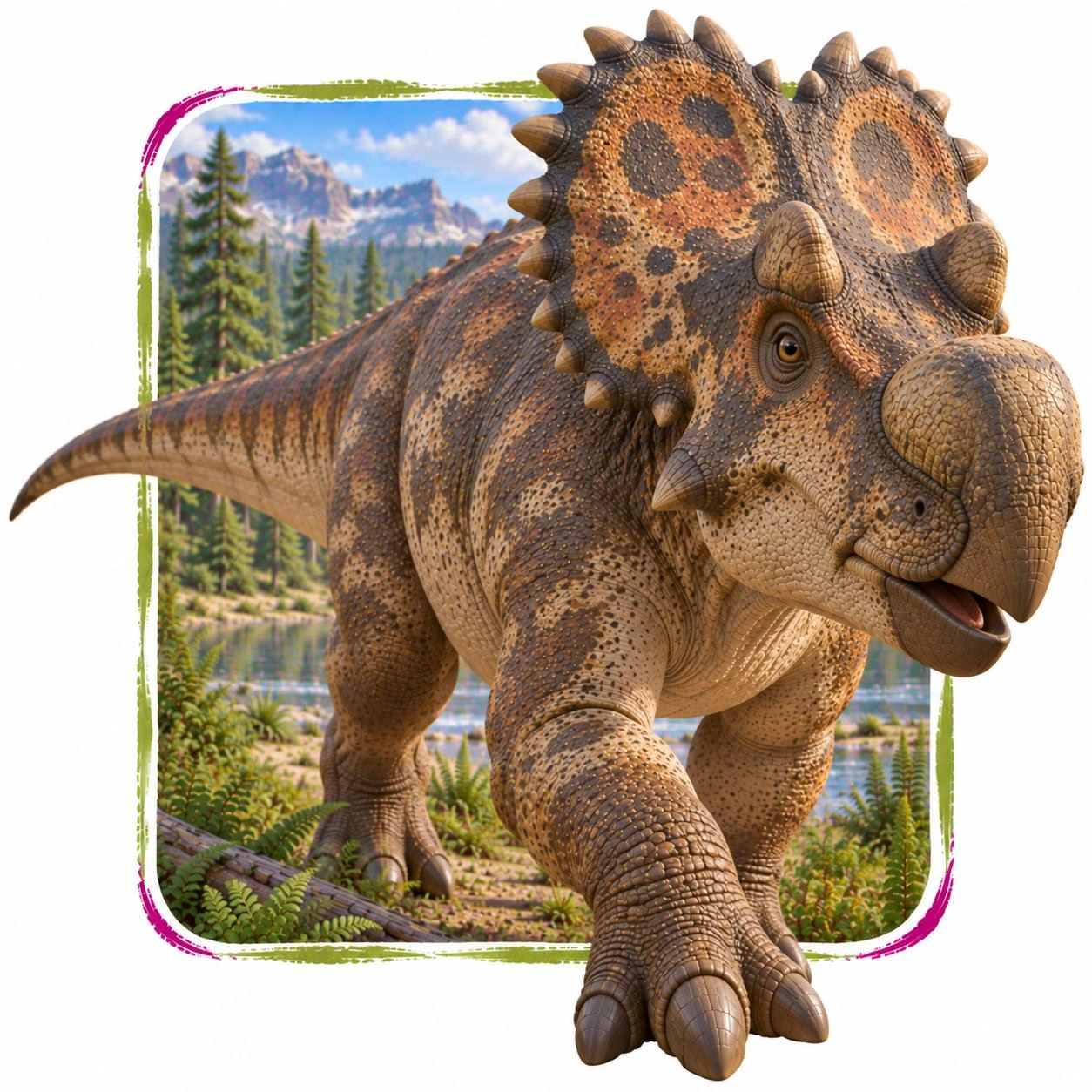
Pachyrhinosaurus in its natural Late Cretaceous Alberta coastal plains, Horseshoe Canyon and Wapiti Formation habitats, Alaskan North Slope polar forests, Denali trackway regions, river valleys, warm northern lowlands, seasonal dark winter habitats, and centrosaurine herd ecosystems habitat